 By Colin Foster
Updated November 2026
Stocking stuffers for athletes work best when they fit how the person actually trains, not just what they say they like. This guide shows you how to read an athlete’s routine, narrow down small gifts that will get used, and avoid the common misses that end up in a drawer. By the end, you will have a short list of ideas matched to the athlete in your life and a simple way to check each one before you buy.
Start With the Athlete’s Sport and Training Schedule
The fastest way to a useful stocking stuffer is to think about where the athlete spends their week. A runner who logs 40 miles a month has different needs than a weightlifter in the gym four days a week, and a swimmer at the pool before dawn needs something different again. Before you shop, answer a few questions.
Shopping for one? See our guide: Stocking Stuffers for Woman: 3 Best Picks for Every Personality (2026).
- How many days per week do they train, and at what time of day?
- Do they train indoors, outdoors, or both? Weather matters for gloves, layers and hydration.
- Are they in-season, off-season, or recovering from an injury?
- Do they already own the basics, or do they tend to replace them often?
Stocking stuffers are most useful when they replace something worn out or add a small upgrade to something they already do. A new pair of socks for a marathoner who runs in cotton is a better fit than a novelty mug. If you are not sure what they use, watch their gear bag for a week or ask a training partner.
Match the Gift to the Type of Athlete
Athletes are not a single group. Here is a quick way to sort the most common types so your choices feel personal.
Endurance Athletes
Runners, cyclists and triathletes tend to care about chafe prevention, hydration, fueling and recovery. Small, consumable items often land well because they use them up. Think electrolyte tablets, anti-chafe balm, a set of performance socks, or a reusable bottle with markings for measuring intake.
Strength and Power Athletes
Lifters and powerlifters often value grip, joint care and warm-up tools. Chalk, lifting straps, wrist wraps and a set of mobility bands fit well in a stocking. Choose items with clear sizing information so the athlete can check the fit before use.
Team and Court Sport Athletes
Soccer, basketball, volleyball and hockey players tend to go through mouthguards, tape, wristbands, sweatbands and water bottles. These are practical, and most athletes will happily use a replacement. If the player is a teen, check with the parent first on size and fit.
Recovery-Focused Athletes
Some athletes care more about what happens after training. A foam roller, a massage ball, a set of compression socks or a simple sleep mask can help. Compression garments and any product making health claims should be checked against the manufacturer’s sizing and use guidance. If the athlete has an injury or a medical condition, consult a physician or physical therapist before choosing a recovery aid.
Eight Practical Stocking Stuffer Ideas
These ideas fit most athletes and stay small enough to fit in a stocking. Pick two or three based on the sport and training style you identified above.
- Performance socks. Look for moisture-wicking blends with cushioning at the heel and toe. Ask for the athlete’s shoe size or foot size in the box before buying.
- Anti-chafe balm. A small tin or stick fits easily in a stocking and gets used on long runs, rides and workouts in humid weather.
- Electrolyte tablets or packets. Choose a flavor the athlete has mentioned liking. Check for caffeine content if they are sensitive to it.
- Lifting chalk or grip aids. Useful for lifters, gymnasts and climbers. Pick a size that fits the container they already use.
- Mini foam roller or massage ball. A small size is easy to pack for travel and works well for targeting tight spots.
- Sweatbands or wristbands. A simple, low-risk gift for court and field sports. Choose a color that matches the team or their usual kit.
- Insulated or measured water bottle. Markings for ounces or milliliters help athletes track hydration during training.
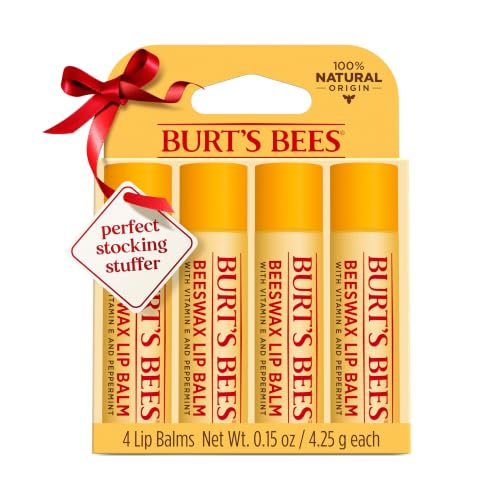
- Sport-specific tape or lip balm with SPF. Athletic tape is useful for many sports, and lip balm with sun protection suits outdoor training in winter sun and snow.
Shopping Checklist Before You Buy
Use this quick checklist to avoid mistakes once you are at the shelf or the product page.
- Size or fit: confirm it against the manufacturer’s size chart.
- Material: check care instructions and whether it suits their climate.
- Consumables: confirm the shelf life or expiration date if it is a food, drink or topical product.
- Allergies and sensitivities: check ingredients for common allergens, especially for food and skin products.
- Gift receipt or return policy: keep this in mind for anything that needs sizing.
A Simple Sizing Table
Many stocking items depend on size. Use this table as a reference, then check the specific brand’s chart before buying.
| Item | What to Know | What to Check |
|---|---|---|
| Socks | Sizes often given as a shoe-size range | Match the athlete’s shoe size, not their sock size guess |
| Wrist wraps or straps | Measured around the wrist or forearm | Ask for the wrist circumference or check their current gear |
| Compression sleeves | Sized by limb circumference | Measure at the widest point, following the brand’s guide |
| Water bottles | Listed by capacity in ounces or milliliters | Match their current bottle size or the cage they use on the bike |
| Mouthguards | Often boil-and-bite or stock sizes | Check the age range and whether the athlete wears braces |
Common Mistakes to Avoid
- Buying a generic fitness gadget. Many athletes already track their training. Choose something that fits their sport, not a general wellness trinket.
- Guessing the size. Wrong size is the most common reason a practical gift goes unused. Check the chart or ask a family member.
- Ignoring the season. A lightweight cooling towel is a great gift in summer and a poor one in January. Think about the next few weeks.
- Choosing a food or supplement without checking. Athletes often follow a specific diet or drug-testing rule set. When in doubt, pick a non-supplement item or ask the athlete first.
- Overloading the stocking. Three or four well-chosen items feel more thoughtful than a dozen small things with no clear purpose.
Tips for a Stocking That Feels Personal
Add a short handwritten note that mentions a specific race, game or training block they are working toward. Pair two related items, such as socks and anti-chafe balm for a long-distance runner, so the stocking tells a story. If you are shopping for a team, keep the gifts consistent in value and style so nobody feels overlooked. For more ideas across different personalities and budgets, browse What Are Some Good Stocking Stuffers? 8 Ideas by Personality (2026) and Stocking Stuffers for the Hunter: 8 Practical Picks by Personality (2026) for inspiration on how to match small gifts to interests.
If the athlete is younger, the gift list changes quite a bit. Parents of very young athletes may find Top 5 Stocking Stuffers for One Year Olds Picked for Little Hands less relevant than the teen-focused options in Top 5 Stocking Stuffers for Teens with Practical Picks for 2026. For a young adult who plays a sport casually, Stocking Stuffers for Young Men: 9 Small Picks by Interest (2026) offers a useful range of practical and fun ideas.
Recommended gear
These items suit most athletes and fit comfortably in a stocking. Choose the one that matches the sport you identified earlier.
- Performance running socks. Moisture-wicking blends with padding at the heel and toe help reduce friction on longer runs and workouts. View on Amazon
- Anti-chafe balm. A small tin or stick is easy to pack and useful for long sessions in heat or rain. View on Amazon
- Mini lacrosse or massage ball. A small, firm ball helps with targeted soft-tissue work on calves, feet and shoulders. View on Amazon
- Measured water bottle. Printed volume markings make it easier to track hydration during training. View on Amazon
FAQ
What counts as a good stocking stuffer for an athlete?
A good stocking stuffer for an athlete is small, useful and tied to their sport or training routine. Items like performance socks, anti-chafe balm or a measured water bottle are easy to use right away and fit most budgets.
Should I buy supplements as a stocking stuffer?
It is usually safer to skip them unless the athlete has asked for a specific product. Some athletes are subject to drug-testing rules, and supplement quality varies. Consult a doctor or sports dietitian if you are unsure.
How do I choose a gift for a teen athlete?
Ask a parent or coach about their current gear and sizing. Teen athletes are still growing, so check the fit carefully and focus on consumables or accessories rather than items that need a precise size.
What is a safe option when I do not know the athlete well?
A reusable water bottle, a towel with the team logo, or a pair of athletic socks in a neutral color are low-risk choices. Include a gift receipt in case the size or color is not right.
Do I need to worry about allergies or sensitivities?
Yes, especially for food, drink and skin products. Check ingredient lists for common allergens and ask the athlete or a family member about any known sensitivities before buying.
Are stocking stuffers for athletes different from other stocking stuffers?
Yes, because the best options are tied to training needs rather than general interests. The guidance here focuses on function, fit and sport-specific use, which is what separates a useful gift from one that gets ignored.
How many stocking stuffers should I include?
Three to five items usually feel complete without overwhelming the stocking. Pick a mix of one practical item, one consumable and one small treat that matches their sport.
When should I buy so the gifts arrive in time?
Check the seller’s shipping estimates and holiday cutoff dates well before the season peaks. Buying early also gives you time to check sizing and make returns if needed.
Conclusion
The best stocking stuffers for athletes are the ones they will use the week after the holidays. Start with their sport and training routine, pick two or three practical items that fit their needs, and check sizing before you buy. A short, thoughtful stocking tells the athlete you understand what they work toward, which is often the part they remember most.
Ready to choose one?
About Colin Foster
Colin Foster is part of our editorial team and reviews and edits our christmas gift guides by recipient guides, checking product details against manufacturer specifications and owner feedback.