 By Colin Foster
Updated November 2026
Duck hunting stocking stuffers are small gifts that fit inside a stocking and still mean something to a waterfowler. The best ones solve a real problem in the field, like cold hands, wet calls or a missing shell, or they reward a specific habit, like scouting or cleaning birds. This guide walks you through how to match a stuffer to the hunter’s style, which categories work best, and a few common mistakes to avoid.
Start With the Hunter’s Style
Duck hunters are not all the same. Some hunt from a layout blind before sunrise, some run a dog through flooded timber, and others mostly scout on weekends and rarely pull the trigger. A stuffer that fits one of these people can feel pointless to another. Before you shop, sort the hunter into one of three rough types.
Shopping for one? See our guide: Stocking Stuffers for Woman: 3 Best Picks for Every Personality (2026).
The Field Hunter
This person is out at first light, often several times a week in season. Practical gear wins here: hand warmers, a fresh pack of calls reeds, a spare lanyard, or a waterproof pouch for shells. Field hunters rarely need decorative items. They need things that work when it is 28 degrees and the wind is out of the north.
The Dog Handler
If the hunter trains or hunts with a retriever, stuffers can go to the dog too. Think retrieving bumpers in a size that matches the dog, a lightweight training whistle, or a dog-safe treat for after a long retrieve. Manufacturers of training bumpers specify different weights for different dog ages and sizes, so check the label before buying.
The Weekend Scout
Many hunters spend more time looking at maps and water levels than actually sitting in a blind. For them, a stuffer that supports scouting works well: a set of waterproof map sheets, a small notebook for logging wind and flight patterns, or a pocket thermometer for tracking temperature changes that often move birds.
Categories That Work Well in a Stocking
Stocking stuffers should be small, easy to wrap, and useful in a hunter’s daily routine. These categories tend to land well.
- Hand and body warmers: Disposable chemical warmers are inexpensive, compact and used constantly in cold blinds. Packs typically list an active heat duration of several hours, so check the package for the exact number.
- Calls and call accessories: Reeds, lanyards, call cases and mouthpiece covers are easy to lose and easy to replace. A new reed or a fresh cord is often more welcome than a full call.
- Shell and gear organizers: A small waterproof box or a shell pouch keeps ammunition dry and sorted.
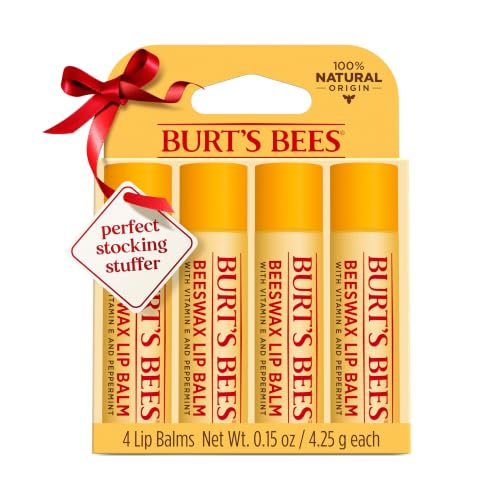
- Blind and field comfort items: Chemical toe warmers, a stadium seat pad, or lip balm with SPF for long days in wind and sun.
- Scouting and navigation extras: Waterproof map cases, a pocket notebook, or a small LED headlamp with a red-light setting, which many hunters prefer for early mornings.
- Consumables: Gun cleaning patches, a bottle of gun oil in a travel size, or a fresh roll of camouflage tape for call and gun wraps.
- Hunting-themed food and treats: Jerky, trail mix or a local-style snack that suits the hunter’s taste. Check any allergy concerns first.
A Step-by-Step Way to Pick the Right Stuffer
- Pick the hunter’s main setting. Blind, field, boat, timber or scouting. This narrows your list fast.
- Check what they already own. Look at their call lanyard, vest pockets and blind bag. Replacing a worn item is usually a better bet than adding a duplicate.
- Match the size to the stocking. If it does not fit in a hand, it probably will not fit in a stocking. Plan on items about the size of a deck of cards or smaller.
- Choose one practical item and one fun item. Two small gifts often feel more generous than one large one.
- Confirm compatibility. For calls, reeds and cords, know the brand and type. For ammunition-related items, check the gauge and caliber. For dog items, check the dog’s size.
- Wrap and label clearly. Small items get lost in a stocking. A tag that says what it is and when to use it helps.
Recommended Gear
These items suit most duck hunters and tend to fit well in a stocking. Choose the one that matches the hunter’s setting.
- Disposable hand warmers: A pack of chemical warmers is useful in every cold blind and easy to slip into a glove or pocket. View on Amazon
- Waterproof shell pouch: Keeps loads dry and organized when the weather turns, especially on boat or flooded-timber hunts. View on Amazon
- Replacement duck call reeds: Reeds wear out and affect tone, so a fresh set is a practical gift for any caller. View on Amazon
- Red-light headlamp: Useful for early-morning setup because it preserves night vision. View on Amazon
Common Mistakes to Avoid
- Buying gear for the wrong species or method. A decoy-focused gift means little to someone who only hunts over water with a dog.
- Choosing unlabeled or unbranded calls. Calls are personal. Unless you know the hunter’s brand and type, a call is a risky stuffer.
- Ignoring expiration dates. Chemical warmers and some consumables have shelf lives. Check the packaging.
- Overloading the stocking. Five tiny items can be more fun than one big box, but do not fill the stocking with junk they will toss.
- Forgetting safety. Anything involving firearms, ammunition or handling should follow local laws and manufacturer instructions. Consult a licensed professional or the manufacturer if you are unsure.
FAQ
What are the best duck hunting stocking stuffers under a few dollars?
Good low-cost options include disposable hand warmers, a call lanyard, a pack of gun cleaning patches, or a waterproof map case. These are small, useful and easy to wrap.
Are duck calls a good stocking stuffer?
Usually only if you know the hunter’s preferred style and brand. Replacement reeds, cords or call cases are safer choices because they work with the call they already own.
What should I buy for a hunter who already has everything?
Consumables are a good bet: hand warmers, a travel bottle of gun oil, a box of camouflage tape, or a favorite snack for the blind.
Do I need to know the hunter’s gauge or caliber?
Yes, if you are buying ammunition-related items or shell accessories. Ask a friend or check the hunter’s gun before buying. If in doubt, choose a non-ammunition item instead.
Are there stocking stuffers for a duck hunter’s dog?
Yes. Training bumpers, a training whistle, and dog treats are popular. Check bumper weight and the dog’s size, and consult a veterinarian before giving any new treat, especially if the dog has dietary restrictions.
How many stuffers should I give?
Three to five small items usually feel right. A mix of one practical item, one consumable and one fun item tends to work well.
Should I wrap each stuffer separately?
Wrapping small items separately makes the stocking more fun to open. A single small bag or pouch with several items works too if you want to keep things tidy.
Conclusion
The best duck hunting stocking stuffers match the hunter’s setting and daily routine. Start by identifying whether they are a field hunter, a dog handler or a weekend scout, then choose one practical item and one fun one. Keep the gifts small, check compatibility before buying anything ammunition-related or call-specific, and wrap each item clearly so nothing gets lost in the stocking.
Ready to choose one?
Related reading
- Xmas Stocking Stuffers for Adults: 5 Best Picks by Personality (2026)
- Wife Christmas Stocking Stuffers: 5 Best Picks for Every Personality (2026)
- What to Put in Stocking Stuffers: 25 Ideas by Personality
- What Makes Good Stocking Stuffers? 6 Qualities to Look For
About Colin Foster
Colin Foster is part of our editorial team and reviews and edits our christmas gift guides by recipient guides, checking product details against manufacturer specifications and owner feedback.