 By Audrey Hayes
Updated November 2026
DIY Christmas gifts ideas for coworkers work best when they feel considered rather than rushed. In this guide, you will learn how to match a homemade gift to each person’s habits, how to plan a small batch without losing your evenings, and which projects are simple enough to finish in an hour or two. You will also see a checklist of supplies, a comparison table, and the mistakes that most often make homemade gifts land flat at the office.
Start With a Simple Plan Before You Buy Anything
Homemade gifts succeed or fail on planning. Before you pick a project, decide how many people you are making for, how much time you can realistically spend, and how formal your workplace is. A team of six needs a different approach than a department of thirty, and a corner office manager may expect something different from the person who sits across from you in the kitchen.
Shopping for one? See our guide: 7 Best Ideas for Christmas Gifts for Coworkers Inexpensive: Expert Picks.
Count Recipients and Set a Time Budget
Write down every person on your list, including people in other departments you talk to regularly. Then assign each one a rough time budget. A simple project such as a jar of cookie mix might take 20 minutes per gift once you have a setup line. A sewn item or a painted mug might take 45 minutes or more. Multiply the number of gifts by the minutes per gift, then add 30 percent for mistakes, drying time, and packaging. If the total looks too high, cut the list rather than cutting corners on quality.
Choose Tone Based on Your Workplace
Some offices welcome anything handmade. Others are more buttoned-up, and a homemade gift can feel out of place for a senior colleague. A safe rule is to keep homemade gifts small, consumable, or decorative, and to avoid anything personal in nature, such as clothing sizes, body-related items, or gifts that suggest a close personal relationship. If you are unsure about a manager, our piece on Should You Give Your Boss a Christmas Gift? Etiquette and Ideas covers how to approach that relationship.
Eight DIY Gift Projects That Feel Personal
The projects below range from very quick to moderately involved. Each one can be scaled up or down, and most can be customized with a name tag, a short note, or a color that suits the recipient. If you want more inspiration for specific formats, Creative DIY Christmas Gifts for Coworkers: 9 Easy Ideas That Feel Personal expands several of these in more detail.
1. Flavored Hot Cocoa Mix in a Jar
Combine 1 cup of powdered milk, 1 cup of sugar, and 1 cup of unsweetened cocoa powder. Add a pinch of salt and, if you like, a teaspoon of cinnamon or peppermint crumbs. Stir well, layer into a clean 16-ounce jar, and tie a card reading “Add 3 tablespoons to 8 ounces of hot milk.” Ask about dairy and nut allergies before you make this for anyone, and label the ingredients clearly.
2. Painted or Decorated Mugs
Choose a plain ceramic mug and a paint made for ceramics that is labeled food-safe or dishwasher-safe, following the manufacturer’s curing instructions. Sketch a simple design with painter’s tape, paint it, and bake or set the paint as directed. Many people prefer to hand-wash decorated mugs, so note that on the gift tag.
3. Herb Sachets for the Desk Drawer
Fill small muslin or organza bags with dried lavender, cedar chips, or a blend of dried citrus peel. Tie each with twine and attach a short card. These are quiet, low-mess gifts that suit most offices, and they require no kitchen or allergy considerations beyond checking for scent sensitivity.
4. Custom Seed Packets
Print or hand-write labels for small paper envelopes, and fill each with a single variety of herb or flower seed. Include a line about sowing depth and season. This works especially well for coworkers who mention gardening or a sunny windowsill.
5. Homemade Granola or Trail Mix
Bake a batch of plain oats with honey, oil, and nuts at a low temperature until golden, stirring every ten minutes. Once cooled, pack into small cellophane bags. Always list the main allergens (tree nuts, peanuts, sesame, gluten from oats if relevant) on the tag.
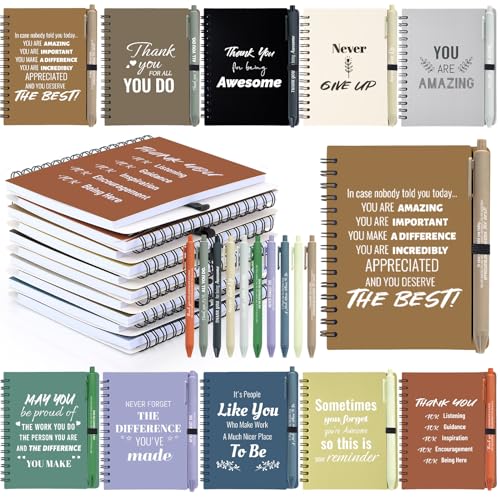
6. Printed Desk Calendar or Notepad
Design a simple one-page calendar or a set of notepads using free layout software, then print on good paper and bind with a clip or stitched spine. Personalize each with a short, appropriate message. Practical gifts like this tend to get used all year.
7. Stovetop Potpourri Blend
Mix dried orange slices, cinnamon sticks, whole cloves, and star anise in a small glass jar. Include directions to simmer a few tablespoons in a pot of water. This suits a warm, seasonal gift and avoids food handling entirely.
8. Hand-Lettered Bookmark Set
Cut heavy cardstock into strips, add a short quote or a pun that fits the recipient’s humor, and punch a hole at the top with a ribbon through it. Laminating the bookmarks, or covering them with clear packing tape, adds durability.
Comparing Project Types at a Glance
Use this table to match a project to the time you have and the kind of workplace you are in.
| Project | Approximate hands-on time | Best fit | Main consideration |
|---|---|---|---|
| Cocoa mix jar | 20 to 30 minutes per gift | Most offices | Allergy labeling |
| Painted mug | 45 to 60 minutes per gift | Casual teams | Curing and washing instructions |
| Herb sachet | 10 to 15 minutes per gift | Any office | Scent sensitivity |
| Seed packet | 10 to 15 minutes per gift | Gardeners, outdoor-minded teams | Seed viability dates |
| Granola bag | 30 to 40 minutes per batch | Food-friendly offices | Allergens and freshness |
| Printed notepad | 20 to 30 minutes per gift | Desk-based roles | Print quality |
| Potpourri jar | 15 to 20 minutes per gift | Any office | Scent preferences |
| Bookmark set | 15 minutes per set | Readers, teachers, librarians | Durability |
Supplies Checklist for a Small Batch
Gather everything before you start. Interruptions are the main reason homemade projects drag on.
- Clean jars, bags, or boxes in consistent sizes so the set looks unified.
- Labels or cardstock for tags, plus a fine-tip pen for handwriting.
- A kitchen scale or measuring cups for any food project.
- Painter’s tape, a small brush, and food-safe or ceramic-safe paint if you are decorating mugs.
- Twine, ribbon, or raffia for finishing.
- A test batch of at least one item, so you can adjust quantities before making the full set.
Tips for Making Homemade Gifts Land Well
- Make one test version of every project before committing to the full batch.
- Keep the tag short. One or two sentences is usually enough.
- Match the gift to the person’s stated interests when you can, such as a tea blend for someone who mentions tea.
- Give everyone the same type of gift if you are handing them out to a whole team, so no one feels overlooked.
- Package food items in clean, sealed containers and note a best-by date.
Common Mistakes to Avoid
- Overpromising on quantity. Making 40 gifts in a weekend leads to rushed work. Start with the people you truly want to include.
- Skipping allergy checks. Nuts, dairy, gluten, and certain scents are common triggers. Ask, or keep food gifts off the list.
- Ignoring workplace norms. A homemade gift that is too personal can make a colleague uncomfortable.
- Using untested paints or dyes. Check that any paint on something edible or mouth-contact is labeled for that use.
- Forgetting a name or label. Unmarked jars get separated from their owners at a crowded office party.
FAQ
How many DIY gifts can I realistically make for coworkers?
Most people can comfortably finish 10 to 15 simple gifts over a few evenings. More than that usually requires a dedicated production session, and quality tends to drop when you rush.
Are homemade food gifts safe to give at work?
They can be, provided you list ingredients and major allergens, store items properly, and avoid anything that needs refrigeration. If you are unsure about a recipient’s dietary needs, choose a non-food project.
Should I give the same gift to everyone on my team?
For larger groups, a consistent gift helps avoid comparisons. For a small team or a close working relationship, you can personalize slightly, such as a different scent or color.
What if a coworker does not celebrate Christmas?
Choose a neutral, seasonal gift such as a winter-themed notepad or a tea blend, or simply wish them well. Respecting different traditions is always appreciated.
How far in advance should I start?
Plan at least three weeks ahead for projects that need curing, drying, or a test run. Simple sachets and jars can be made in a single weekend.
Do I need to give gifts to my manager?
It is optional in most workplaces. If you do, keep it modest and professional. For more guidance, see Christmas Gifts for Coworkers: Etiquette and What to Give.
How should I package homemade gifts?
Use clean, food-grade containers for consumables, and a simple box or bag with tissue or kraft paper for decorative items. Keep packaging consistent across the batch.
Can I combine a homemade item with a store-bought one?
Yes. A handmade tag, a hand-written note, or a homemade item paired with a small purchased treat often feels thoughtful without taking much extra time.
Recommended gear
A few simple tools make small batches faster and cleaner. A digital kitchen scale helps with consistent food projects, so each jar or bag matches the next: View on Amazon. Glass or plastic canning-style jars with lids keep dry mixes fresh and look polished in a group: View on Amazon. For painted mugs, a ceramic-safe paint marker set gives clean lines without a full brush kit: View on Amazon. Finally, a simple label printer or a pack of printable gift tags saves time on the lettering: View on Amazon.
Conclusion
Good DIY Christmas gifts for coworkers come from a clear plan, a project that fits your time and workplace, and a careful eye for allergies and norms. Pick one or two projects you can finish well, test them once, and package them neatly. A small, thoughtful gift made with attention will usually be remembered more fondly than an elaborate one made in a hurry.
Ready to choose one?
About Audrey Hayes
Audrey Hayes is part of our editorial team and reviews and edits our christmas gift guides by recipient guides, checking product details against manufacturer specifications and owner feedback.