 By Audrey Hayes
Updated November 2026
Homemade Christmas gifts ideas for coworkers work best when they are simple, safe to share, and easy to repeat across a whole team. In this guide you will get a short list of projects that take an afternoon or less, a method for matching each gift to the person receiving it, and a planning checklist so you do not end up with forty jars of cookies and no time left for your own family. By the end you will know exactly what to make, how many to make, and how to present it so it reads as thoughtful rather than rushed.
Start With a Simple Plan Before You Buy a Single Ingredient
Most homemade gift problems start in the planning stage, not the kitchen. Before you pick a project, settle the basic facts: how many people you are giving to, how much time you can realistically spend, and whether the office has any rules about food or gifts. Some workplaces discourage homemade food for allergy or hygiene reasons, so a quick check with HR or a team lead can save you from giving something nobody can eat.
Shopping for one? See our guide: 7 Best Ideas for Christmas Gifts for Coworkers Inexpensive: Expert Picks.
Count Your Recipients and Build a Buffer
Write down every person on your list, then add two or three extras for people you forgot, a new hire, or someone who surprised you with a gift. Multiply your planned project by that number and add a 10 percent buffer for mistakes. A batch of sugar cookies that comes out a little dark is not a disaster; a batch that is three dozen short is.
Sort Recipients by Closeness
You do not need to give the same thing to your closest work friend and the person you see in the break room twice a year. A useful split is three tiers: a more personal gift for close colleagues, a standard gift for the middle group, and a simple, uniform item for everyone else. This keeps your effort proportional and avoids the awkward situation of someone receiving a much nicer gift than you gave a teammate.
Nine Homemade Gift Ideas That Work Well at the Office
The projects below are grouped by how much effort they take, so you can match them to your schedule. Each one travels well, can be packaged in a standard container, and avoids the most common office problems such as melting, crumbling, or strong smells.
Easy Gifts You Can Finish in One Afternoon
- Flavored hot chocolate mix in a jar. Combine unsweetened cocoa powder, powdered sugar, a pinch of salt, and a spoonful of powdered milk, then layer in chopped chocolate or mini marshmallows. Include a card with the serving instructions.
- Spiced nut mix. Toss nuts with egg white, a little sugar, cinnamon, and salt, then roast at a low temperature until dry. Check for nut allergies before handing these out.
- Peppermint bark. Melt chocolate, spread it on parchment, scatter crushed candy canes, and chill until firm. Break into pieces and bag them. This keeps well for two to three weeks in a cool place.
- Herb-infused olive oil or vinegar. Add dried rosemary or thyme to a clean bottle, then add the oil or vinegar. Label it with the date and a suggestion to store it in a cool, dark spot.
Projects That Take a Few Evenings
- Sugar cookies with simple royal icing. Cut them into shapes that suit the recipient’s interests, such as coffee cups for a heavy coffee drinker or books for a reader.
- Homemade candles in small tins. Use soy wax, a wick sized for the container diameter, and a fragrance oil at the rate the manufacturer specifies. Let them cure for at least a week before gifting so the scent is fully developed.
- Coasters from cork tiles or tile squares. Cut or buy tiles, seal the surface, and add a felt backing. These work well for coworkers who bring coffee to their desks.
Slightly More Involved Options for Close Colleagues
- A custom recipe card set. Choose three or four recipes that mean something to you, print them on card stock, and tie them with twine.
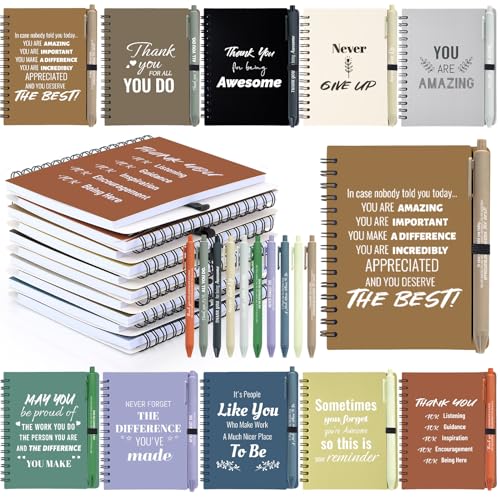
- Hand-lettered desk notepads. Use a sheet of plain paper, a bold marker, and a simple phrase. Bind the sheets with a clip or glue them to a backing board.
How to Match a Homemade Gift to the Recipient
A homemade gift feels personal when it reflects something real about the person. You do not need to know their life story, just a few observable habits. Think about what they do at work every day: do they drink a lot of tea, keep a plant on their desk, bring lunch from home, or talk about a hobby? Those details are your starting point.
| What You Notice | Gift Direction | Why It Works |
|---|---|---|
| Brings coffee or tea to the desk | Coasters or a spiced tea blend | Useful and used daily |
| Bakes or cooks for the team | Herb oil, spice blend, or recipe cards | Speaks to their interest |
| Keeps a tidy, minimalist desk | Simple candle or small notepad | Fits their style without clutter |
| Has a pet or talks about one | Dog-treat cookies made for people food only | Shows you remember details |
| Works long hours | Hot cocoa mix or a candle | Offers a small comfort |
If you are still unsure, choose something neutral like a candle or a food item and include a short handwritten note. A personal note often matters more to the recipient than the object itself. For a deeper look, Homemade Stocking Stuffers Ideas: 8 Easy Picks Your Family Will Actually Use covers this in detail.
Step-by-Step: Making and Packaging Your Gifts
Once you have chosen a project, work through the process in a fixed order. Batch similar tasks together so you are not washing the same bowl five times.
- Write your recipient list and assign each person a gift tier.
- Buy all ingredients or materials in one trip and check expiration dates.
- Make a test batch first to confirm the recipe and quantities.
- Produce the full batch, letting baked goods cool completely before packing.
- Package in food-safe containers, labeling each with the contents and date.
- Add a card with a short, specific note. Mention a real detail, such as “Thanks for covering the Thursday meeting.”
- Store in a cool, dry place until you are ready to hand out gifts.
Packaging Tools and Materials
- Clear cellophane bags or small glass jars with lids
- Kraft paper tags and baker’s twine
- Labels with ingredients and a date
- A small cooler or cool shelf for perishable items
Food Safety and Office Etiquette
Homemade food carries responsibilities that a store-bought item does not. List every ingredient on the label, especially the big allergens: peanuts, tree nuts, dairy, eggs, wheat, soy, and sesame. If you are not certain about a product’s ingredients, do not include it. For perishable items such as cream-based fillings or fresh fruit, follow standard home food safety guidance and give them a short shelf life. When in doubt, a shelf-stable item like spiced nuts or hard candy is the safer choice. If anyone on your team has a serious allergy, consider a non-food gift for the whole group.
Common Mistakes
- Making too many different things. Two projects are usually enough. Each extra recipe adds shopping, testing, and packaging time.
- Skipping the test batch. A recipe that works at home can behave differently when you scale it up.
- Forgetting allergens. Nut-based gifts go to the wrong desk more often than people expect.
- Overpacking. A tin full of cookies with a gift box and tissue paper creates waste and makes the gift harder to carry.
- Ignoring the timeline. Candles need curing time and bark needs to set. Start these at least two weeks before your distribution date.
- Making the gift about you. Keep the project to a size you can manage so you still enjoy the holidays.
Tips for a Smooth Holiday Season
Batch your work over two or three weekends instead of trying to finish everything in one push. Keep a small notebook with recipe amounts, the number of gifts you made, and any feedback you received, which will make next year’s planning faster. Print labels in advance and store finished gifts in a single bin so you can grab them quickly on distribution day. If a project goes wrong, switch to a simpler backup rather than stressing over a perfect result.
Recommended gear
A few basic tools make homemade gifts look more polished and keep food safe during preparation.
- Digital kitchen scale. Accurate weighing makes candy, bark, and candle recipes repeatable from batch to batch. View on Amazon
- Candy thermometer. Useful for fudge, caramel, and toffee, where temperature decides whether the texture sets properly. View on Amazon
- Glass canning jars with lids. They give dry mixes and nuts a clean, giftable look and keep contents sealed. View on Amazon
- Kraft paper gift tags and baker’s twine. A cheap way to add a finished look to any container. View on Amazon
FAQ
What are the easiest homemade Christmas gifts for coworkers?
Spiced nuts, hot cocoa mix in jars, and peppermint bark are among the quickest options. Each takes one afternoon or less and packs well in standard containers.
How many homemade gifts should I make for my office?
Make your list first, add two or three extras, and then include a 10 percent buffer for mistakes. This avoids running short on distribution day.
Is it appropriate to give homemade food to coworkers?
Often yes, but check your workplace policies and ask about allergies first. If anyone has a serious allergy or your office restricts food, choose a non-food gift.
How far ahead should I start making homemade gifts?
Start two to four weeks before your distribution date. Candles need curing time, and most baked goods are best made within a few days of giving.
How do I label homemade food gifts?
List all ingredients, mention common allergens, and add the date you made the item. A simple tag tied to the container is enough.
What if I am not a good cook or crafter?
Choose a project with few steps, such as jarred dry mixes or coasters, and make a test batch first. Simple gifts with a thoughtful card often land better than complicated ones that go wrong.
Should I give the same gift to everyone?
For large teams, a uniform gift is practical and fair. For smaller groups, consider tiering your gifts so close colleagues receive something a little more personal.
Conclusion
Homemade gifts for coworkers succeed when you plan the numbers, choose a project that fits your time, and match the gift to something you have noticed about each person. Keep your recipe list short, test before you produce in bulk, and label everything clearly. A small, well-made gift with a specific note will usually be remembered longer than an elaborate one.
Related reading
- Small Christmas Gifts Ideas for Coworkers: 8 Easy Picks That Work
- Ideas for Christmas Gifts for Office Coworkers: A Practical Guide
- Ideas for Christmas Gifts Coworkers: A Practical Guide to Choosing Well
- DIY Dollar Tree Christmas Gifts for Coworkers: 8 Easy Ideas That Look Thoughtful
- DIY Christmas Gifts Ideas for Coworkers: 8 Easy Projects That Feel Personal
- Cute Ideas for Christmas Gifts for Coworkers: 9 Picks That Feel Personal
Ready to choose one?
About Audrey Hayes
Audrey Hayes is part of our editorial team and reviews and edits our christmas gift guides by recipient guides, checking product details against manufacturer specifications and owner feedback.